

Girth

Lube

Thickness

Latex



Okay, so early sex ed’ classes might have focused on safety. But for many people, those lessons could often be heteronormative, and for many LGBTQ+ people not a positive experience overall. Not being constrained by restrictive definitions of sex can give us the power to create our own relationship structures and sex lives tailored to the wants and needs of all those involved. So, how do we do that safely?
Let’s start by appreciating our partners and treating our minds, body and souls with kindness, compassion, and respect. This means physically and emotionally by way of clear and open communication. Because how do our partners know what each other are thinking unless we’re talking about it?
For safer and more pleasurable connections, we need to understand how to talk about sex in a practical way. Get to know your boundaries. You don’t have to know everything right away, but it’s helpful to keep your partner updated as you figure things out and learn more about your needs. Check in with them too, both in and out of the bedroom.
Even if all parties give consent, a yes isn’t a yes to everything. We want to know what our partner likes and to share what we like. You could try doing this is by asking, it doesn’t have to be via yes or no questions. For example, you could ask: “Is this okay? Can I touch you here? I love it when you do that. Can we do more of that?” Or something like: “How do you feel about (insert something you’d like to try here).” It’s all about open communication, whether you’re in a casual or long-term relationship.
Create spaces that allow you and your partner(s) to feel safe enough to say how you feel, whether it’s a “yes”, a hard “no”, “that’s enough for me” or “just not right now”. All reasons are valid and don’t need to be justified.
If consent has been breached, here are some links to LGBTQ-inclusive support services:
It’s important to know how to protect yourself and your partners from sexually transmitted infections. A sexually transmitted infection (STI) is an infection spread through sexual contact, be it via sex toys, anal sex, vaginal sex or oral sex.
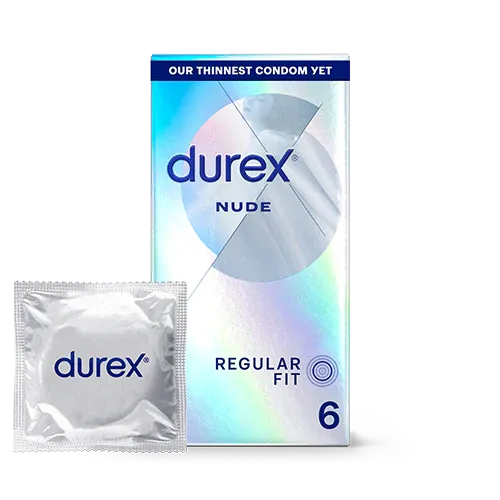
Condoms come in many shapes, sizes, colours, flavours and types. They can be used to cover a penis or sex toys, whereas femidoms are worn inside the vagina.
A thin square of latex. You can put it over the penis, vagina or anus before oral sex. These are available at sexual health services, online or in pharmacies.
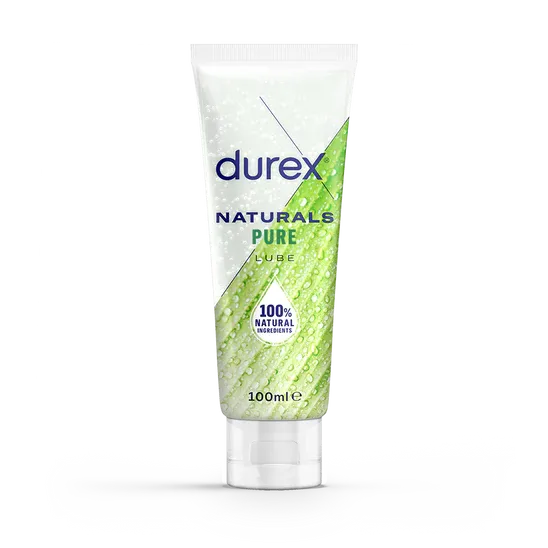
Lube can make sex feel better for many people. It’s a gel or liquid that creates lubrication to help reduce friction. You can use lube for many types of sex, be it masturbation, oral, anal, penetration, massages, or using toys.
There are loads of lubes available, but most of them fall into one of two main categories:
• Water-based lubes are safe to use with condoms and easier to wash off when you’re done, without staining the sheets or your clothes.
• Silicone-based lubes Silicone-based lubricants can be used with latex condoms and last longer than water-based lubes. However, they are not great for silicone toys as they can damage them
Washing your hands before sex is good manners, but it can also help protect everyone involved from what your hands have touched during the day. Peeing after sex can flush bacteria out of the urethra, helping to prevent a urinary tract infection (UTI). It may be helpful for folks with a vagina and people who are prone to UTIs.
Getting tested helps to protect you and your partners. Going for an STI test or ordering one online is confidential. STIs can come with stigma and shame but you don’t need to be ashamed to talk about them. Some STIs are more common than others and testing positive doesn’t make you “dirty” – plus many of the most common STIs are curable and even the ones that aren’t can be controlled with treatment so it’s better to get tested and get treated before things get worse.
If you have symptoms, get tested asap. However, sometimes STIs may not show any symptoms and can go undetected. So, if you’re having sex, be it monogamous, or not you should get tested regularly.
Yes, but there’s a few steps before you jump in. Let the people who you’ve slept with since your last STI test know. This is so they can get tested and treated if necessary. If you’ve been diagnosed with a viral STI like herpes, you should not have vaginal, anal or oral sex until the sores have gone away. It’s important to communicate this to your partners, as some STIs like herpes stay in your body and can be passed on even once the initial symptoms have gone. To help reduce this risk it’s important to use a condom every time you have sex. For other STIs, such as chlamydia, it’s important to ensure both you and your partner(s) have completed treatment as instructed by a healthcare professional before having any kind of sex, even oral. This is so you don’t pass it back and forth or on to someone new.
Whether you go in real life to the clinic or choose to do yours at home is up to you. Both are confidential, so whilst it can be useful to share this information, your GP won’t be informed without your permission.
You can make an appointment to go to an STI clinic or you can go to a drop-in clinic (no appointment needed). How you get your results is usually up to you, text, phone or an unmarked letter. You can search on the NHS website to find your nearest clinic.
If you choose to do a home kit, SH:24 is an online 24hr sexual health clinic. It’s free, discreet, and confidential. You fill in a form and the test are sent to you with instructions, then you send it back in the post. Your results will be delivered by a clinician or by text.
Remember: An STI diagnosis doesn’t mean that you can never have sex again. But it does mean that you should take extra precautions and follow the guidance of health care professionals to protect you and your partner(s) moving forward.
The internet can be both wonderful and weird. Most of us are using it with honest intentions but some aren’t. We should be equipped to handle the risks and dangers, from sharing nudes to catfishing. When dating online it’s a good idea not to exchange personal information until you’ve met in person and feel you can trust them.
We’ve all seen the show. Vet your dates and chat for a bit to see if you have things in common. You could try Googling what you know about them and do an image search to see where else their photo has appeared. Maybe you have shared friends on socials. A basic check isn’t stalking, it’s reasonable and we’d advise them to do the same to you. You should trust your gut and be cautious until you’ve had long enough to get to know someone. And if you’re not sure, asking a friend for some advice could help.
Sharing nudes, like any intimate act, involves trust. However, figuring out how to trust someone can be tricky, and can come with risks. That’s why it’s important, if you share nudes, to ensure you’re sharing with someone you trust and they’re open to receiving them.
Whether it's for romance, exploration, relationships, or a hook-up, some of us have met partners through dating apps. If you’re in a small town dating apps can be a good idea to help meet other people like you and if you’re unable to attend public events all the time it can help create a sense of community through local meet ups. Queer-focused dating apps or even friend apps can play a role in creating safer spaces and building our own queer communities.
However you meet your partner(s), help keep yourself safe, for example by knowing your own and your partners’ STI status, carrying condoms and making a friend aware if you are meeting someone new for the first time.
Tip: There are plenty of apps you can use to share your location, or you can use messaging services to drop a pin and keep it on until you get home.
Sex can feel safer when we take physical precautions, but we must also consider our emotional safety. Your feelings deserve to be protected and you deserve to feel confident in your sexuality. It’s also important to know how to treat others with respect so that they feel safer too. This can all come together through open communication. Being open and honest can deepen our bonds by giving our partners an insight into us and us them. So being able to talk openly and take care of you and your partner(s) before, during and after sex can help us feel closer and benefit everyone involved.
It’s recommended to get tested regularly for STIs.
It is good practice to clean hands before sex and pee afterwards to help prevent UTIs.
The only way to know your STI status is to get tested.
Open communication is a key part of good sex and can help to create safer environments.
A yes doesn’t mean yes to everything, it’s important to keep communicating regularly.
Girth
Lube
Thickness
Latex

Type

Ingredients

Compatibility

Dermatologically tested

Type
Ingredients
Compatibility
Type
Ingredients
Compatibility
Dermatologically tested
RKT-M-0608